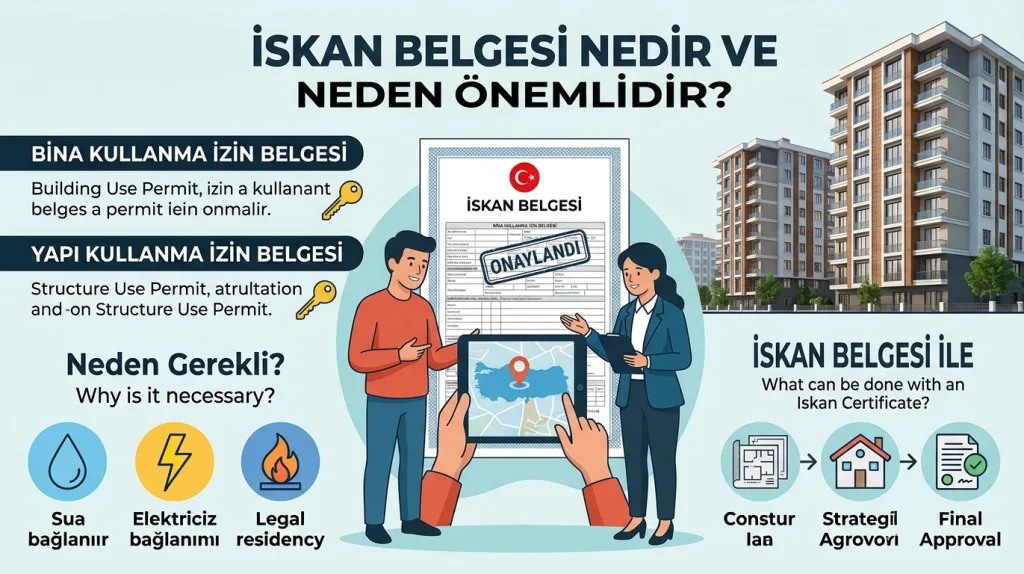

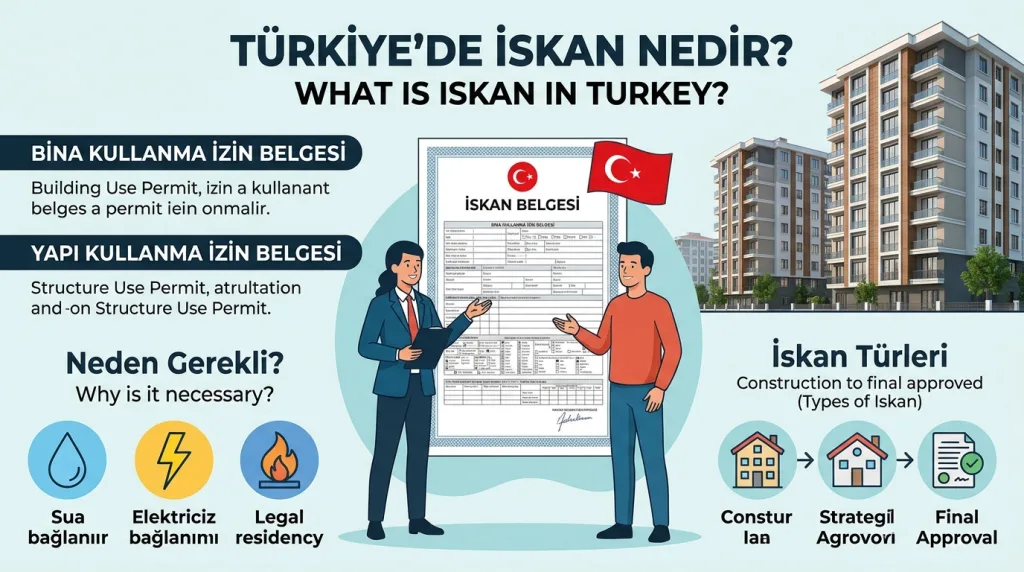
In Turkey, the term "Iskan" refers to an occupancy permit that is crucial for any property, especially residential and commercial buildings. It is an official document issued by the local authorities confirming that a building complies with all relevant regulations and safety standards, making it suitable and legal for habitation. Without an Iskan certificate, a property cannot be officially used, rented, or sold through legal channels. Understanding Iskan is essential for property buyers and investors because properties without this permit may face legal complications or restrictions on their use.
Obtaining an Iskan involves several steps, starting with adherence to the approved building plans and regulations during construction. Once a building is completed, local municipal authorities inspect it to ensure compliance with zoning laws, building codes, fire safety, and sanitation standards. If the building passes these inspections, the Iskan permit is issued confirming that the property meets the requirements for safe occupancy. This process is vital to protecting residents and owners by ensuring the structural integrity and safety of the building.
For property buyers, especially foreigners interested in investing in Turkey, verifying the presence of an Iskan certificate before completing a purchase contract is critical. A property lacking Iskan can pose serious risks: it may not be connected to utilities legally or may have outstanding legal issues related to unapproved construction. Purchase of properties without Iskan may lead to difficulties in registration with the land registry, further complicating ownership rights and resale opportunities. Therefore, confirming Iskan status is an important due diligence step in any property transaction in Turkey.
In some cases, buyers may encounter properties built without obtaining an Iskan permit due to illegal construction or incomplete paperwork. While local authorities may offer processes to legalize these properties, including retroactive Iskan application, this can be time-consuming, costly, and not always guaranteed. Prospective owners should consult legal and real estate professionals to understand the implications and procedures involved. It is generally advisable to prioritize properties with valid and current Iskan certificates to avoid future complications related to compliance and municipal regulations.
Iskan certificates also play a significant role when it comes to securing financing or mortgages in Turkey. Financial institutions typically require proof of Iskan before approving a loan related to property purchase. This ensures the property is legally compliant and minimizes risk for both lender and borrower. Additionally, having an Iskan certificate facilitates safer property insurance arrangements and smoother future resale processes, as it attests to the legal standing and acceptance of the property by local regulatory bodies.
While Iskan is vital for legal occupancy, buyers should be aware that regulations and processes may vary slightly between municipalities across Turkey due to local regulations and administrative procedures. It is recommended to conduct thorough research or seek advice from qualified local experts familiar with the specific region’s building regulations and Iskan requirements. Overall, understanding the importance of Iskan enables buyers to make informed property investments, avoids legal troubles, and ensures the safe and lawful use of their new property in Turkey.